
Blog
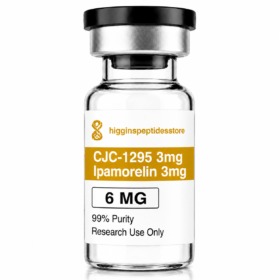
Exploring the Science Behind CJC-1295 3mg + Ipamorelin 3mg
Jul
Exploring the Science Behind CJC-1295 3mg + Ipamorelin 3mg
Exploring the Science Behind CJC-1295 3mg + Ipamorelin 3mg. Advancements in peptide research have transformed the way scientists investigate hormone regulation, cellular signaling, metabolism, and tissue repair. Among the most widely studied peptide combinations is CJC-1295 3mg + Ipamorelin 3mg, a pairing that has attracted significant attention in laboratory settings due to its complementary mechanisms of action. Researchers continue to explore how these peptides interact with the body’s natural growth hormone pathways and what this may reveal about physiology, recovery, and healthy aging.
This article explores the science behind CJC-1295 3mg + Ipamorelin 3mg, its mechanisms of action, potential research applications, and why it remains a popular choice for peptide research. It is intended for educational purposes only and discusses laboratory research rather than clinical or therapeutic use.
What Is CJC-1295?
CJC-1295 is a synthetic peptide designed to mimic the activity of Growth Hormone-Releasing Hormone (GHRH). In research settings, it is used to study how stimulation of GHRH receptors influences the body’s natural release of growth hormone from the pituitary gland.
Unlike directly administering growth hormone, CJC-1295 is investigated for its ability to support the body’s own physiological signaling pathways. This distinction has made it an important peptide in studies involving endocrine regulation and hormone secretion.
Researchers value CJC-1295 because it demonstrates an extended duration of activity compared to earlier GHRH analogs, making it suitable for experiments examining sustained hormonal responses.

Understanding Ipamorelin
Ipamorelin is a selective growth hormone secretagogue, meaning it stimulates growth hormone release by activating ghrelin receptors. One of the reasons it has gained popularity in research is its selectivity.
Unlike some earlier secretagogues, Ipamorelin has demonstrated a more targeted mechanism in laboratory studies, with minimal influence on other pituitary hormones. This allows researchers to investigate growth hormone signaling with greater precision.
Scientific investigations frequently examine Ipamorelin’s interaction with:
- Growth hormone secretion
- Metabolic regulation
- Cellular repair mechanisms
- Protein synthesis pathways
- Tissue regeneration processes
Its specificity makes it a valuable research peptide across multiple scientific disciplines.
Why Combine CJC-1295 and Ipamorelin?
One of the most fascinating aspects of peptide research is understanding how different compounds work together. CJC-1295 and Ipamorelin stimulate growth hormone release through different biological pathways.
- CJC-1295 activates GHRH receptors.
- Ipamorelin stimulates ghrelin receptors.
Because these pathways are distinct yet complementary, researchers investigate whether combining the peptides produces a more coordinated physiological response than either peptide alone.
Rather than replacing natural hormone production, this combination is primarily studied for its ability to support the body’s own pulsatile growth hormone release patterns.
This complementary activity has made the combination a popular subject in endocrine and metabolic research.
The Science of Growth Hormone Regulation
Growth hormone is produced naturally by the pituitary gland and plays a role in numerous biological processes.
Researchers continue studying growth hormone because it influences:
- Cellular growth
- Tissue repair
- Protein metabolism
- Bone development
- Fat metabolism
- Muscle physiology
- Energy balance
Growth hormone secretion occurs in pulses throughout the day, particularly during sleep.
Scientific interest in CJC-1295 and Ipamorelin centers on how these peptides may help researchers better understand these natural secretion patterns and the biological signaling involved.
Current Areas of Research
Scientists continue exploring the potential applications of CJC-1295 3mg + Ipamorelin 3mg across several research fields.
Endocrine Research
Researchers investigate how peptide combinations influence hormone signaling networks and pituitary function.
Healthy Aging Research
Age-related changes in growth hormone production have prompted studies examining how peptide signaling affects biological aging processes.
Muscle Physiology
Laboratory models often examine how growth hormone influences protein synthesis, muscle cell development, and recovery mechanisms.
Recovery and Tissue Repair
Scientists study cellular repair pathways regulated through growth hormone and insulin-like growth factor (IGF-1).
Metabolic Studies
Research explores possible relationships between growth hormone signaling and:
- Fat metabolism
- Energy utilization
- Glucose regulation
- Lean body composition
These investigations continue to expand scientific understanding of metabolic health.
Why Researchers Choose the 3mg + 3mg Combination
The balanced formulation of CJC-1295 3mg + Ipamorelin 3mg offers flexibility for laboratory research.
Researchers appreciate this combination because it provides:
- Two complementary peptides in one formulation
- Consistent research concentrations
- High laboratory purity
- Efficient handling during peptide studies
- Compatibility with various experimental protocols
Its balanced ratio allows scientists to investigate interactions between GHRH receptor stimulation and ghrelin receptor activation under controlled laboratory conditions.
Laboratory Quality Matters
High-quality research peptides are essential for producing reliable scientific data.
When selecting research materials, laboratories often prioritize:
- High purity standards
- Independent quality testing
- Proper storage conditions
- Accurate labeling
- Secure packaging
- Reliable manufacturing practices
Using well-characterized peptides helps improve reproducibility and consistency across research projects.
Storage and Handling
Proper handling is critical for preserving peptide stability during laboratory research.
Researchers generally recommend:
- Keeping peptides refrigerated according to supplier guidance
- Protecting vials from excessive heat
- Avoiding prolonged exposure to direct sunlight
- Following appropriate laboratory handling procedures
- Using sterile research techniques
Maintaining peptide integrity contributes to more reliable experimental outcomes.
The Future of Peptide Research
Peptide science continues to evolve rapidly.
As technology advances, researchers are discovering new ways to study:
- Hormone regulation
- Cellular communication
- Regenerative biology
- Longevity pathways
- Performance physiology
- Precision medicine
Combinations like CJC-1295 and Ipamorelin provide valuable tools for investigating these complex biological systems.
Ongoing studies may improve scientific understanding of how growth hormone signaling influences overall physiological function.
Choosing a Trusted Research Supplier
Obtaining peptides from a reputable supplier is an important part of any research project.
A trusted supplier should provide:
- Clearly labeled research products
- High-quality manufacturing standards
- Batch consistency
- Secure shipping
- Responsive customer support
- Transparent product information
Reliable sourcing helps ensure researchers receive peptides suitable for laboratory investigations.
Conclusion
The combination of CJC-1295 3mg + Ipamorelin 3mg represents an exciting area of peptide research due to its complementary mechanisms of action. By targeting both GHRH and ghrelin receptor pathways, researchers can investigate natural growth hormone regulation, endocrine signaling, metabolism, tissue repair, and cellular physiology in greater depth.
As scientific interest in peptides continues to expand, this combination remains a valuable research tool for laboratories exploring the biology of growth hormone and its role in human physiology. While research is ongoing, maintaining high-quality laboratory standards and sourcing peptides from reputable suppliers are essential for generating reliable and reproducible results.
