
Blog
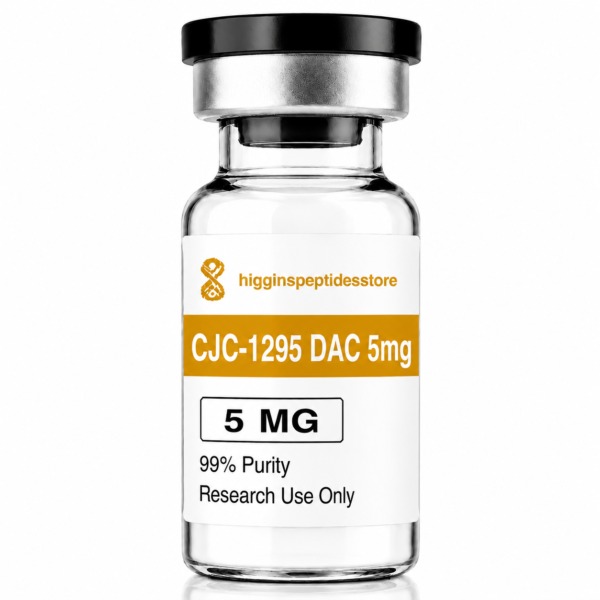
Exploring the Science Behind CJC-1295 DAC 5mg
Jul
Exploring the Science Behind CJC-1295 DAC 5mg
Exploring the Science Behind CJC-1295 DAC 5mg. The growing interest in peptide research has led scientists and research professionals to explore compounds that influence natural biological processes. Among these research peptides, CJC-1295 DAC 5mg has gained significant attention for its extended half-life and its role in studying growth hormone regulation. Researchers worldwide continue to investigate its potential applications in endocrinology, metabolism, tissue regeneration, and age-related biological changes.
This article explores the science behind CJC-1295 DAC 5mg, how it works in research settings, its key characteristics, and why it has become a valuable tool in peptide studies.
What Is CJC-1295 DAC 5mg?
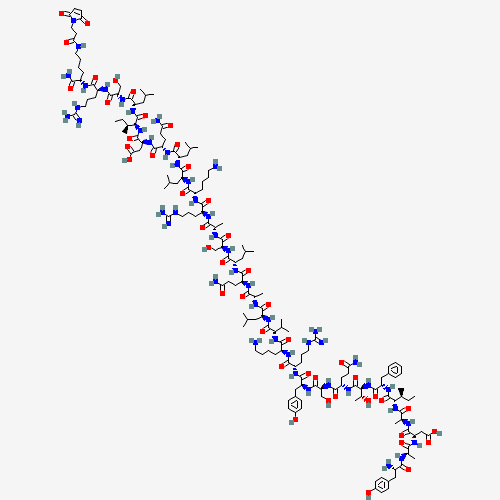
CJC-1295 DAC 5mg is a synthetic peptide designed for research purposes. It belongs to a class of compounds known as Growth Hormone Releasing Hormone (GHRH) analogs. Unlike naturally occurring GHRH, CJC-1295 has been modified to remain active in the body for a much longer period.
The addition of Drug Affinity Complex (DAC) technology allows the peptide to bind to albumin, significantly extending its half-life. This prolonged activity makes it particularly useful for researchers studying sustained growth hormone stimulation over extended periods.
Because of these unique characteristics, CJC-1295 DAC has become one of the most widely researched peptides in endocrine science.
Understanding the Science Behind CJC-1295 DAC
The human body naturally produces Growth Hormone Releasing Hormone in the hypothalamus. This hormone signals the pituitary gland to release growth hormone (GH), which influences numerous biological functions.
CJC-1295 DAC is designed to mimic this natural signaling process.
Rather than replacing growth hormone directly, the peptide encourages the body’s natural mechanisms responsible for growth hormone secretion.
Researchers have found this approach especially valuable because it allows them to study physiological responses while maintaining natural hormonal feedback systems.
The DAC component is the primary scientific innovation behind this peptide.
Instead of being broken down within minutes like many peptides, CJC-1295 DAC remains active for several days due to its ability to bind with circulating albumin proteins.
This extended activity allows researchers to observe long-term biological responses without frequent dosing in laboratory settings.
How CJC-1295 DAC Works
Researchers believe CJC-1295 DAC functions by interacting with receptors found on pituitary cells.
When these receptors are activated, the pituitary gland releases pulses of growth hormone, which subsequently stimulate the production of Insulin-Like Growth Factor-1 (IGF-1).
This cascade allows researchers to study multiple biological pathways, including:
- Hormonal regulation
- Cellular repair mechanisms
- Muscle physiology
- Protein synthesis
- Fat metabolism
- Bone remodeling
- Tissue regeneration
Unlike synthetic growth hormone itself, CJC-1295 DAC works upstream within the natural endocrine pathway.
This mechanism has made it particularly valuable in peptide and hormone research.
The Importance of Drug Affinity Complex (DAC)
One of the defining characteristics of CJC-1295 DAC 5mg is its Drug Affinity Complex.
Without DAC, similar peptides often have half-lives measured in minutes.
With DAC technology, researchers have observed a dramatically prolonged biological presence.
Some of the advantages associated with DAC include:
- Longer circulation time
- Sustained receptor stimulation
- Stable hormone release patterns
- Reduced frequency of administration in research models
- Improved consistency during experimental studies
These characteristics make DAC technology one of the major reasons CJC-1295 continues to receive attention within peptide research.
Current Areas of Research
Scientists continue investigating CJC-1295 DAC across multiple fields.
Some of the most common research areas include:
Growth Hormone Regulation
Researchers study how prolonged stimulation affects natural GH secretion patterns and endocrine function.
Muscle Research
Growth hormone influences protein metabolism and muscle development.
Researchers investigate whether sustained GH release impacts skeletal muscle adaptation.
Fat Metabolism
Several studies explore the relationship between growth hormone signaling and lipid metabolism.
Researchers are interested in understanding how GH pathways influence body composition.
Tissue Repair
Growth hormone and IGF-1 are involved in cellular regeneration.
Scientists examine how peptide-induced GH release may affect tissue healing and repair processes.
Bone Health
Bone remodeling depends on numerous hormones, including GH and IGF-1.
Researchers continue investigating how CJC-1295 DAC influences bone metabolism.
Healthy Aging Research
As growth hormone naturally declines with age, scientists study how prolonged GHRH stimulation affects biological aging models.
Why Researchers Choose CJC-1295 DAC 5mg
Several features distinguish CJC-1295 DAC from other research peptides.
These include:
- Long-lasting activity
- Stable pharmacokinetic profile
- Albumin binding technology
- Natural stimulation of GH release
- Increased IGF-1 production
- Extensive scientific interest
- Compatibility with combination peptide research
Its long duration makes it particularly attractive for laboratories seeking consistent hormone stimulation over multiple days.
CJC-1295 DAC vs. CJC-1295 Without DAC
Although both peptides belong to the same family, there are important differences.
| Feature | CJC-1295 DAC | CJC-1295 Without DAC |
|---|---|---|
| Half-Life | Several days | Approximately 30 minutes |
| Albumin Binding | Yes | No |
| Frequency | Less frequent in research | More frequent |
| Hormone Release | Sustained | Short-duration |
| Research Focus | Long-term endocrine studies | Pulsatile hormone studies |
Researchers select the appropriate version depending on the objectives of their experimental design.
Laboratory Quality Matters
When purchasing research peptides, product quality remains one of the most important considerations.
High-quality CJC-1295 DAC 5mg should be:
- Manufactured under strict quality standards
- Properly lyophilized
- Clearly labeled
- Laboratory tested for purity
- Stored according to recommended conditions
- Intended exclusively for research purposes
Reliable peptide suppliers also provide transparent product information and maintain consistent manufacturing practices.
Proper Storage Guidelines
Maintaining peptide stability is essential for research integrity.
General storage recommendations include:
- Store unopened vials in refrigeration as recommended by the supplier.
- Protect from direct sunlight.
- Keep the vial dry until use.
- Minimize repeated temperature fluctuations.
- Follow all supplier handling instructions.
Proper storage helps preserve peptide quality throughout research projects.
Future Directions in Peptide Research
Interest in peptide science continues expanding as researchers explore new therapeutic targets and biological pathways.
CJC-1295 DAC remains a promising research compound due to its unique pharmacological properties.
Future studies may further investigate:
- Hormonal aging
- Regenerative biology
- Metabolic disorders
- Muscle physiology
- Sleep-related hormone regulation
- Cellular repair mechanisms
- Precision peptide therapies
As scientific understanding evolves, researchers continue uncovering new insights into the role of sustained growth hormone signaling.
Conclusion
CJC-1295 DAC 5mg represents an important advancement in peptide research thanks to its innovative Drug Affinity Complex technology and prolonged biological activity. By stimulating the body’s natural growth hormone release pathways rather than supplying growth hormone directly, it offers researchers a valuable model for studying endocrine regulation, metabolism, tissue repair, and other physiological processes.
For laboratories seeking high-quality CJC-1295 DAC 5mg, choosing a trusted supplier that prioritizes purity, quality control, and transparent product information is essential. Premium research-grade peptides support reliable experimental outcomes and help advance scientific understanding in this rapidly evolving field.
