
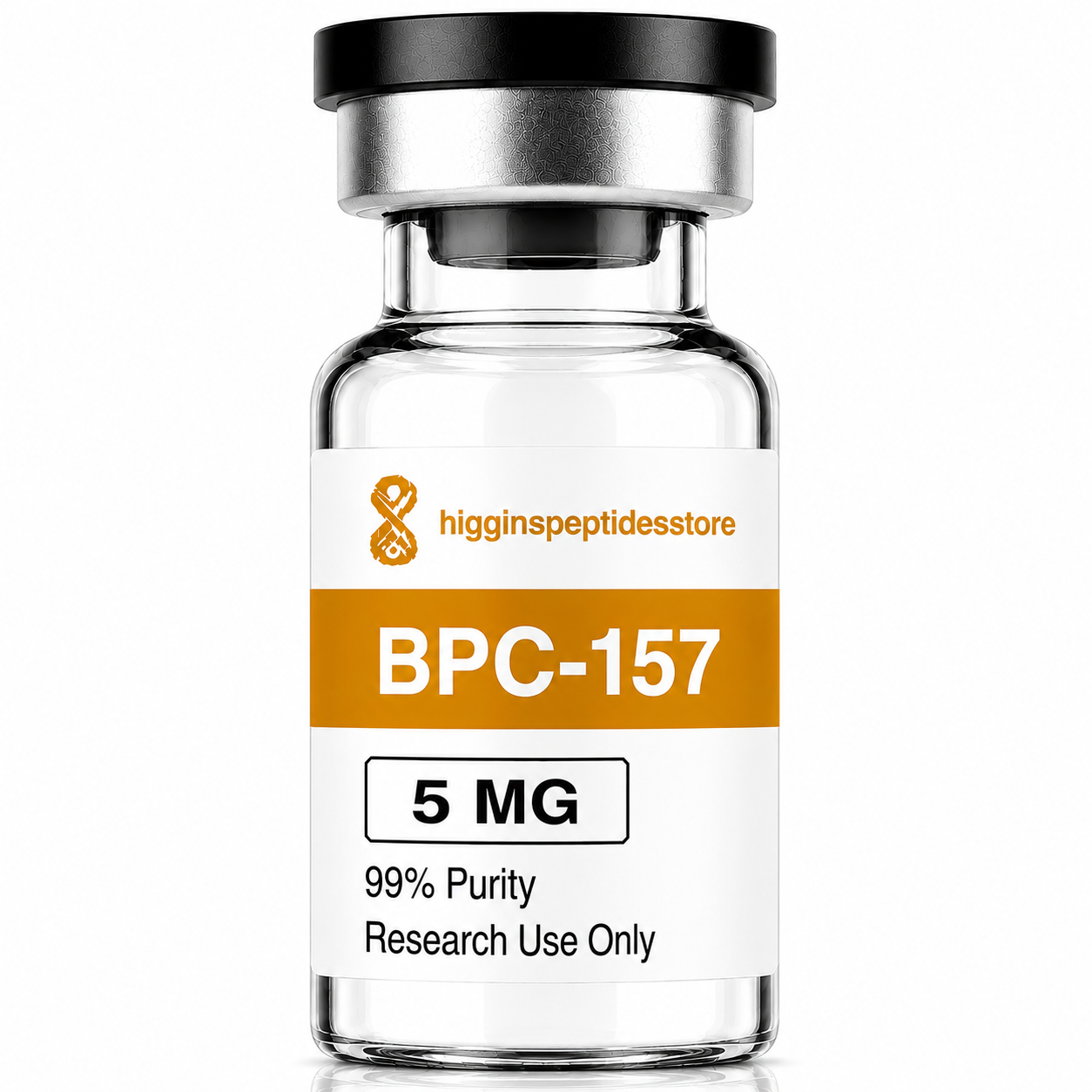

Buy BPC-157 Online
Buy BPC-157 Online, short for Body Protection Compound-157, is one of the most widely discussed research peptides in modern peptide science. Known as a synthetic pentadecapeptide consisting of 15 amino acids, BPC-157 has attracted significant attention in fields such as molecular biology, tissue repair research, gastrointestinal studies, cellular signalling, and regenerative science. Researchers continue to investigate this peptide because of its unique stability and its potential role in biological communication pathways.
Over the past several decades, BPC-157 has been studied extensively in laboratory and preclinical settings. Scientific interest stems from observations that the peptide may influence cellular signalling systems involved in tissue maintenance, vascular biology, and protective mechanisms within various experimental models. Despite widespread research interest, BPC-157 remains an investigational compound and is not approved for human therapeutic use.
This article explores the scientific background, mechanisms under investigation, research applications, and growing importance of BPC-157 in contemporary peptide science.
What Is BPC-157?
BPC-157 is a synthetic peptide composed of 15 amino acids. It is commonly referred to as a pentadecapeptide due to its amino acid length. The peptide was originally developed during investigations into protective proteins associated with gastric tissue and digestive system biology. Researchers frequently describe it as a stable gastric pentadecapeptide because of its unusual stability in gastric environments compared to many other peptides.
The molecular formula of BPC-157 is C62H98N16O22, and it has become one of the most extensively investigated compounds within preclinical peptide research. Scientists continue studying its potential interactions with biological pathways related to cellular communication, vascular signalling, and tissue adaptation mechanisms.
Why Researchers Study BPC-157
The growing popularity of BPC-157 within scientific literature is largely due to its broad range of research applications.
Researchers commonly investigate BPC-157 in relation to:
- Tissue repair biology
- Gastrointestinal research
- Cellular communication systems
- Angiogenesis signaling pathways
- Molecular adaptation mechanisms
- Neurobiology research
- Vascular biology studies
- Cytoprotection investigations
- Cellular stress-response pathways
- Regenerative science
These research areas continue to generate interest among scientists seeking to understand how peptides influence complex biological systems.
Understanding Peptide Signalling
Peptides are short chains of amino acids that function as biological messengers. They help coordinate communication between cells, tissues, and organs through receptor-mediated signalling pathways.
Researchers investigate peptides because they participate in:
- Hormonal regulation
- Cellular coordination
- Signal transduction
- Molecular communication
- Physiological adaptation
- Tissue maintenance
- Biological regulation
BPC-157 serves as a valuable model for studying these processes because of its unique structural stability and extensive research history.
Proposed Mechanisms Under Investigation
Although research is ongoing, scientists have proposed several mechanisms through which BPC-157 may influence biological systems.
Angiogenesis Signaling
One of the most frequently studied aspects of BPC-157 involves angiogenesis, the biological process responsible for forming new blood vessels.
Researchers continue investigating how BPC-157 may interact with signalling pathways associated with vascular development and tissue communication. Studies suggest involvement of pathways connected to VEGF-related signalling and endothelial cellular responses.
Nitric Oxide Pathways
Scientific investigations have also explored relationships between BPC-157 and nitric oxide signalling systems. Nitric oxide plays an important role in vascular communication, cellular coordination, and physiological regulation.
Understanding these interactions remains an active area of molecular biology research.
Cytoprotection Research
Researchers frequently examine BPC-157 within studies focused on cytoprotection, which refers to mechanisms that help maintain cellular integrity under stressful conditions.
This area of research has generated interest because cytoprotective pathways are important components of tissue maintenance and biological adaptation systems.
Cellular Communication Networks
Scientists continue exploring how BPC-157 influences communication between cells and tissues. These investigations contribute to broader knowledge regarding biological regulation and molecular coordination systems.
Research Applications of BPC-157
Gastrointestinal Research
One of the earliest areas of scientific interest involving BPC-157 was gastrointestinal biology.
Researchers have studied the peptide in relation to:
- Gastric tissue biology
- Digestive system signaling
- Gastrointestinal communication pathways
- Mucosal protection mechanisms
Because of its origins in gastric-related research, this remains one of the most established fields of BPC-157 investigation.
Tissue Repair Studies
BPC-157 is frequently investigated in laboratory models examining tissue adaptation and repair-related signalling pathways.
Scientists study how cellular communication systems contribute to:
- Connective tissue biology
- Musculoskeletal research
- Cellular adaptation responses
- Tissue remodelling mechanisms
These studies continue expanding knowledge regarding biological repair processes.
Neurobiology Research
Researchers have also explored BPC-157 within neuroscience-related investigations.
Areas of interest include:
- Neural communication systems
- Neuroprotective signaling
- Brain-gut interactions
- Cellular adaptation mechanisms
Scientific literature suggests that BPC-157 may influence pathways involved in communication between the neurological and gastrointestinal systems.
Vascular Biology
Vascular research remains another important area of investigation.
Scientists continue examining how peptide-mediated signalling influences:
- Blood vessel biology
- Endothelial communication
- Vascular adaptation mechanisms
- Cellular coordination systems
These investigations contribute to a broader understanding of physiological regulation.
Importance in Modern Peptide Science
Peptide science has become one of the fastest-growing areas within biomedical research.
Researchers increasingly recognise that peptides function as highly specialised signalling molecules capable of regulating numerous biological processes. BPC-157 remains particularly significant because of its extensive preclinical research history and broad range of experimental applications.
Scientists use BPC-157 to investigate:
- Molecular signalling pathways
- Cellular adaptation mechanisms
- Tissue communication systems
- Biological regulation networks
- Receptor-mediated signaling
Its continued study contributes to expanding knowledge regarding peptide biology and cellular communication.
Scientific Discussion and Community Interest
BPC-157 has become one of the most frequently discussed peptides within research communities. Scientific publications, laboratory discussions, and research forums regularly examine its mechanisms and potential applications.
At the same time, many researchers emphasise that most available evidence comes from laboratory and animal studies rather than large-scale human clinical trials. Consequently, continued investigation is necessary to better understand the peptide’s biological characteristics and limitations.
Laboratory Handling and Storage
Like other research peptides, BPC-157 requires appropriate laboratory handling procedures.
Researchers generally follow established practices such as:
- Storage under recommended temperature conditions
- Protection from excessive moisture
- Use of sterile laboratory techniques
- Accurate documentation procedures
- Compliance with institutional research standards
Proper handling helps maintain peptide stability and supports reliable experimental outcomes.
Future Directions in BPC-157 Research
Scientific interest in BPC-157 continues expanding. Future investigations may focus on:
- Advanced signalling pathways
- Cellular communication systems
- Gastrointestinal biology
- Tissue adaptation mechanisms
- Vascular research
- Neurobiology studies
- Molecular regulation networks
As peptide science advances, BPC-157 is expected to remain an important compound for studying biological communication and cellular regulation.
Conclusion
BPC-157 is a synthetic pentadecapeptide that continues attracting significant attention within peptide science, molecular biology, and regenerative research. Scientists investigate this compound because of its stability, extensive research history, and potential involvement in cellular communication pathways, vascular biology, gastrointestinal research, and tissue adaptation studies. While many questions remain under investigation, BPC-157 has become one of the most recognised research peptides in modern scientific literature. Continued laboratory research will help further clarify its mechanisms and role within biological systems.
Research Information
Website: https://higginspeptidesstore.com/
WhatsApp: +1 (504) 261-0545
Email: info@higginspeptidesstore.com
Research Disclaimer
BPC-157 is intended exclusively for laboratory and scientific research purposes. It is not approved for human consumption, medical treatment, therapeutic use, veterinary applications, or diagnostic purposes. Research should be conducted only by qualified professionals in accordance with applicable regulations and laboratory safety standards.
| Quantity | 10mg, 5mg |
|---|
1 review for Buy BPC-157 Online
Add a review
Related products
Peptides
Peptides
Peptides
Peptides
Peptides
Peptides
Peptides
info@higginspeptidesstore.com –
Good quality _ great website; highly recommended